

breathe between treatments
how guided breathwork helps your body integrate chiropractic and physiotherapy for longer-lasting results
the missing piece between “treatment” and lasting change
i’m not a chiropractor, and i’m not a physiotherapist — i’m a customer. and a loyal one. because when my spine moves more freely or a dysfunctional pattern is identified and corrected, i feel it immediately. something reorganizes. something settles. range of motion improves, coordination becomes smoother, and pain signals quiet down.
but over the years — especially through my own experiences at life & health chiropractic by petra hafliger, physioworks by philip engelhardt, and conversations with my friend cornell coezijn at heilsbronner kurbad — i’ve realized something important: structural correction is powerful, but it is not the same as integration.
the body can be adjusted, mobilized, strengthened, retrained — yet whether those improvements “stick” depends largely on the state of the nervous system that receives and processes that input.
many therapy patients recognize this pattern intuitively. they feel great after a session, sometimes even for days, and then old tension patterns gradually return. not because the treatment failed, but because the internal regulatory baseline did not shift.
this is where breathwork becomes highly relevant — not as an alternative to therapy, but as the simplest and most accessible integration tool between sessions.
your nervous system decides whether treatment sticks
most therapy patients are not looking for philosophy. they are looking for relief that lasts. what science increasingly shows is that pain sensitivity, muscle guarding, inflammation, and recovery capacity are strongly influenced by autonomic regulation.
slow, rhythmic breathing has repeatedly been shown to increase parasympathetic activity and improve heart rate variability (HRV)¹ — a widely accepted marker of stress resilience and recovery potential. when HRV improves, the body generally demonstrates better adaptability to stress, improved sleep patterns, and more efficient recovery responses.
this matters in rehabilitation because a chronically activated sympathetic state keeps muscles slightly braced, alters circulation, and heightens pain perception. breathwork helps shift that internal baseline. instead of constantly operating in low-grade tension, the system learns to downregulate more efficiently.
when this shift becomes repeatable, structural corrections and physiotherapeutic exercises have a more receptive internal environment in which to integrate.
science of being human
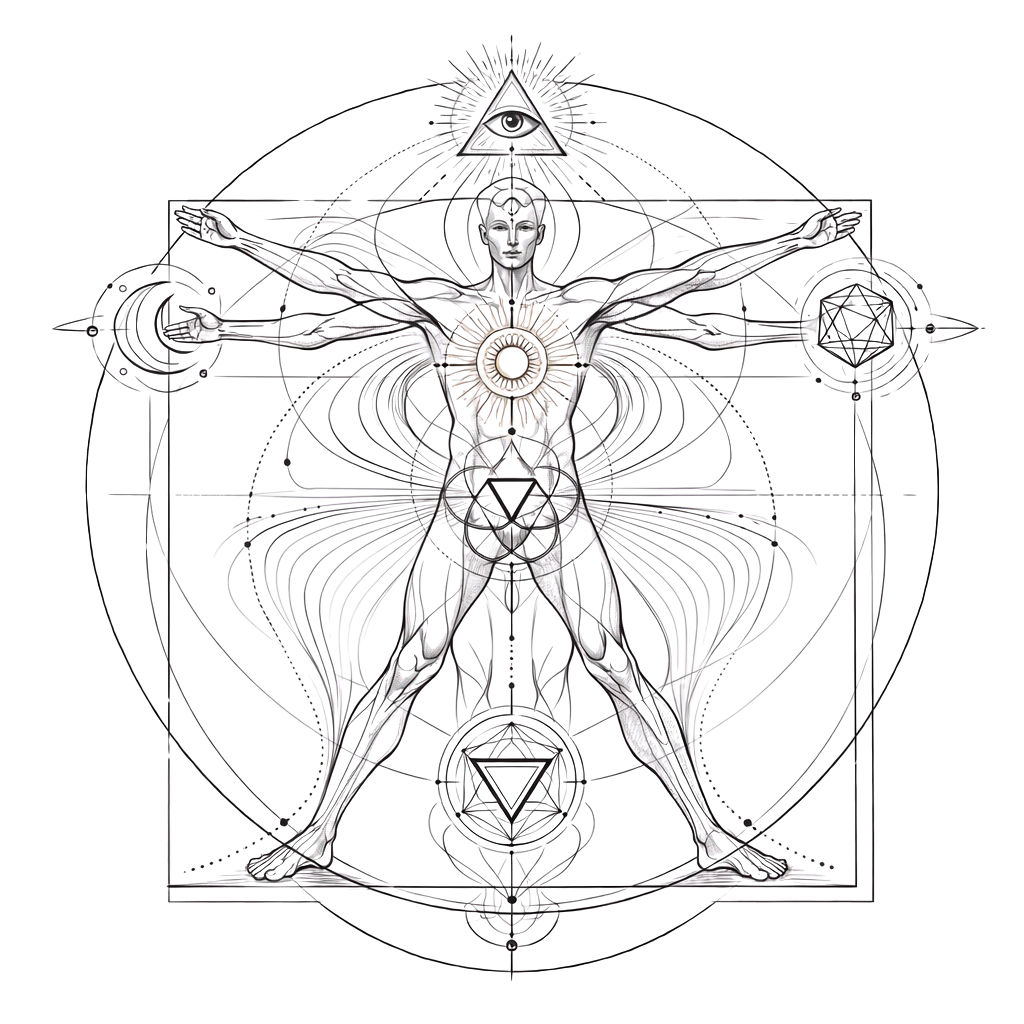
your baseline is the hidden variable.
learn how autonomic regulation, perception, and recovery signals shape whether change integrates.
rhythmic breathing: mechanical stability from the inside
breathing is not only about oxygen exchange; it is also about internal pressure management and spinal stability. the diaphragm works in coordination with deep abdominal and pelvic stabilizers to regulate intra-abdominal pressure, which directly influences trunk control.
research suggests that breathing exercises may reduce disability and pain intensity in chronic low back pain patients², highlighting that respiratory patterns are not separate from musculoskeletal outcomes.
for therapy patients working on posture, gait correction, or strength rebuilding, rhythmic breathing acts like an internal metronome that stabilizes movement.
it enhances proprioceptive awareness, reduces compensatory tension, and supports coordinated force transmission through fascia and connective tissue. instead of fighting the body into better posture, breathwork allows stability to arise from internal regulation.
intermittent hypoxia and breath holds: controlled stress that builds resilience
structured breathwork sessions sometimes include safe, guided breath holds that create short periods of mild intermittent hypoxia. when applied responsibly, these exposures can stimulate adaptive physiological responses related to vascular function and stress tolerance³.
research exploring breathing techniques with intermittent hypoxia has shown effects on inflammatory markers and immune modulation⁴. while this does not mean dramatic performance boosts for every individual, it suggests that controlled respiratory stress can enhance systemic adaptability.
for therapy patients, this translates into improved tolerance to physical load and a calmer physiological response to exertion. instead of reacting to effort with excessive tension or anxiety, the body becomes more efficient in handling temporary stressors. this resilience is particularly useful in rehabilitation phases where gradual load increases are required.
aging, balance, and confidence in movement
for older adults or individuals focused on maintaining stability rather than maximizing athletic output, breathing regulation becomes even more relevant. diaphragmatic breathing interventions in older adults have been associated with improvements in physical performance measures and reductions in fear of falling⁵.
fear of falling is not merely psychological; it alters posture, muscle tone, and movement strategy. when breathing patterns shift toward deeper, slower rhythms, the nervous system downregulates and balance responses often improve as a secondary effect.
breathwork in this context is not about intensity. it is about restoring internal rhythm. confidence in movement grows when the body feels less reactive and more coordinated. and confidence itself changes how someone walks, turns, and navigates daily life.
why add onlive breathwork to your therapy plan
chiropractic and physiotherapy sessions are episodic by design. they intervene at key moments, identify dysfunctions, and apply corrective input.
breathwork is the bridge between those moments. it is the daily practice that reinforces internal regulation, supports recovery, and trains your system to maintain the improvements you gained during treatment.
because it is delivered onlive, it remains accessible. you can integrate it into your week without additional travel, equipment, or scheduling complexity. it becomes a consistent layer of regulation that complements your existing therapy plan.
instead of relying solely on periodic correction, you actively participate in stabilizing your internal state.
onlive breathwork

make integration a weekly practice.
live sessions to reinforce downregulation between treatments — so progress doesn’t evaporate.
the invitation
if you are currently receiving treatment at life & health chiropractic by petra hafliger, physioworks by philip engelhardt, or heilsbronner kurbad with cornell coezijn, you can receive a voucher code directly from their clinic office and use it for my onlive breathwork sessions at a discounted rate.
this is not a replacement for professional treatment. it is an integration tool that empowers you to support your own recovery, performance, and stability between sessions.
sometimes the difference between temporary relief and lasting change is not another intervention.
it is the rhythm you cultivate in between.
sources
¹ Lehrer, P. et al. Heart rate variability biofeedback and autonomic regulation.
https://pmc.ncbi.nlm.nih.gov/articles/PMC6137615/
² Mazzoni, G. et al. Breathing exercises for chronic low back pain: systematic review.
https://pubmed.ncbi.nlm.nih.gov/37827444/
³ Navarrete-Opazo, A. et al. Intermittent hypoxia training and vascular adaptation.
https://pubmed.ncbi.nlm.nih.gov/33503609/
⁴ Kox, M. et al. Voluntary activation of the sympathetic nervous system and attenuation of inflammatory response.
https://www.pnas.org/doi/10.1073/pnas.1322174111
⁵ Diaphragmatic breathing and physical performance in older adults.
https://journals.plos.org/plosone/article?id=10.1371/journal.pone.0339868
about the author
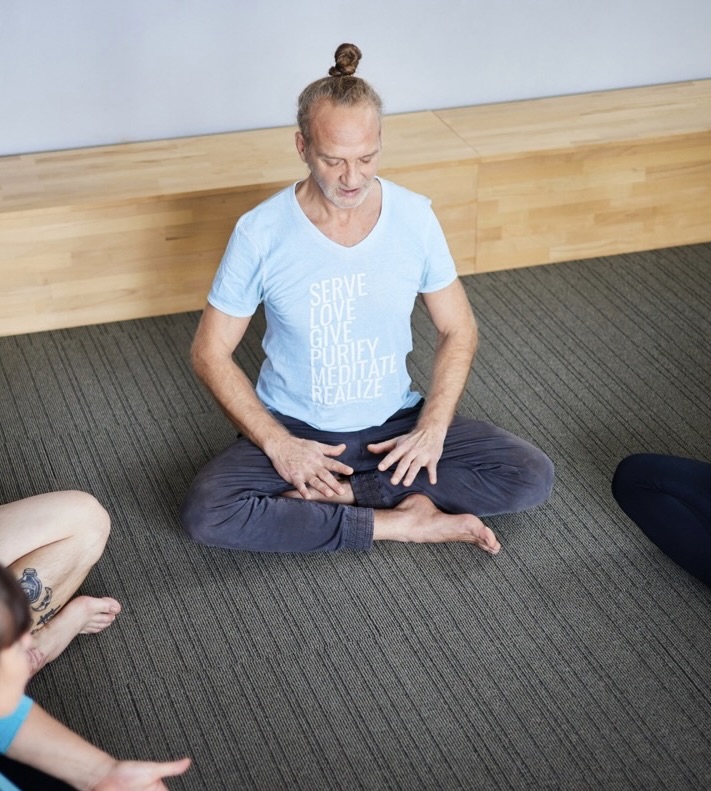
i’m marcus rother. i work with breath and nervous system regulation as the bridge between hands-on correction and lasting adaptation. i’m interested in what helps changes “stick”: less guarding, better recovery tone, and a steadier internal baseline between sessions.
if you want guidance aligned with your current treatment plan, you can also schedule a 1:1 session with me.