
the birth of the science of being human
A Foundational Essay
The Science of Being Human did not begin as a concept or a product. It emerged from a growing dissatisfaction with how personal development, yoga culture, and even spiritual education often approach transformation.
Over time, I began to notice a gap between experience and understanding, between relief and structural change, between the performance of presence and the lived reality of it.
This essay explains how that gap became the starting point for a different orientation toward human development.
The Problem: Relief Without Understanding
Many people enter contemplative practices seeking relief. Relief from stress, from emotional overload, from internal fragmentation. Yoga, meditation, breathwork, and various forms of coaching can provide powerful regulatory experiences. The nervous system calms. The breath slows. Perspective widens.
However, in many cases, this relief does not translate into structural change. Outside the controlled environment of the practice space, reactive patterns return. Emotional triggers resurface. Identity defensiveness reappears. The cycle repeats.
This repetition raises a fundamental question: Why does insight often fail under pressure?
The answer, I came to believe, lies in the absence of deep structural understanding. Techniques can temporarily regulate the system, but without literacy in how perception, identity, and physiology interact, individuals remain vulnerable to the same unconscious patterns.
In other words, relief is not the same as integration.
The Science of Being Human begins with the conviction that sustainable transformation requires understanding how the organism functions across biological, psychological, and energetic dimensions.
onlive breathwork
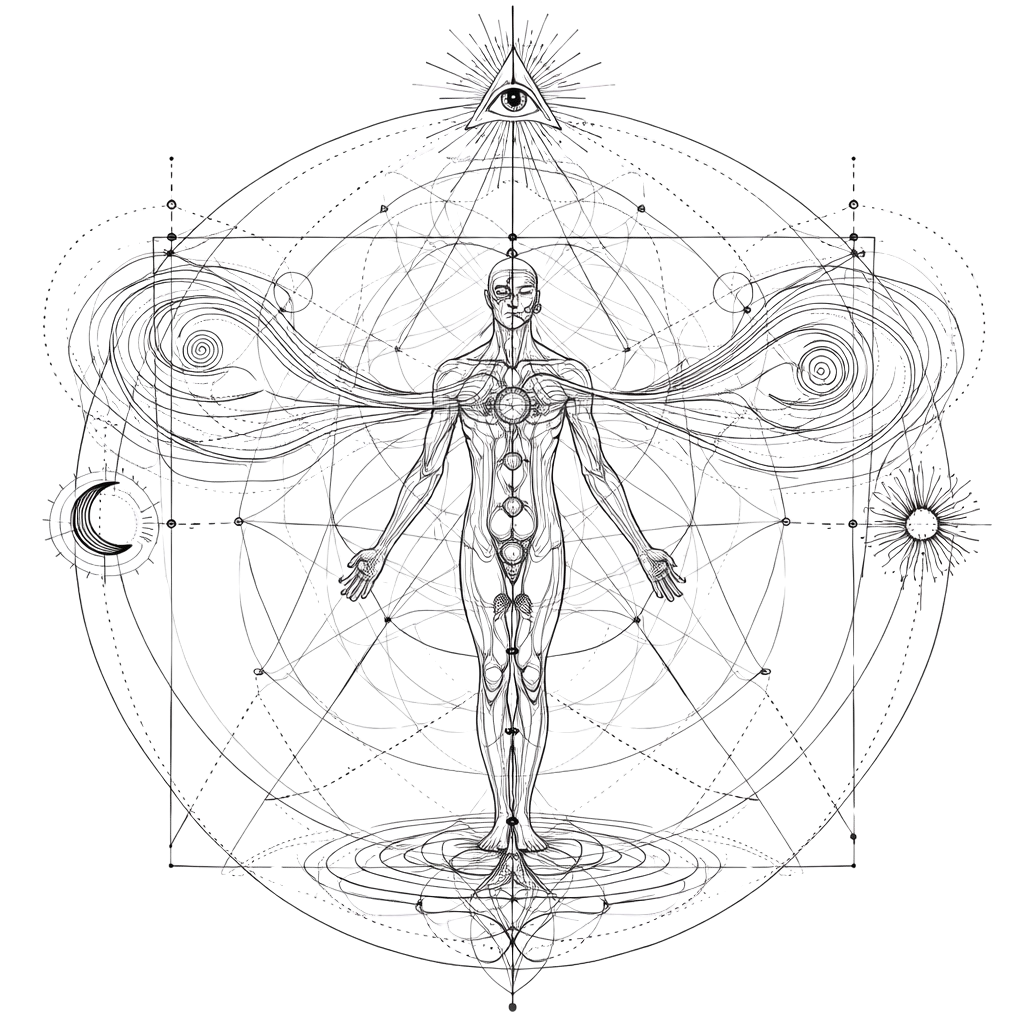
relief is easy. integration is trained.
breathe live, regulate in real time, and learn what your system does under pressure.
From Teaching Performance to Structural Inquiry
For several years, I was teaching yoga in conventional studio environments. The classes were well received. There was emotional resonance, aesthetic cohesion, and strong attendance. Yet privately, I began to feel that something essential was missing.
The atmosphere was often powerful, but the structure underneath the experience remained implicit. Breath was guided, but rarely anatomically explained. Emotional release occurred, but without contextual mapping to nervous system processes. Spiritual language was used, but often without perceptual analysis.
I also recognized an uncomfortable truth: I was, at times, performing presence rather than embodying it consistently. The gap between language and lived coherence became increasingly difficult to ignore.
The turning point came when external circumstances paused teaching entirely. In that silence, I shifted from performing practice to studying function.
The Intellectual Foundations
During that period, I immersed myself in interdisciplinary research and philosophical inquiry. Neuroscientific frameworks clarified how repeated stress patterns are reinforced through thought-emotion loops. Trauma research illuminated how adaptive survival strategies shape perception long after the original threat has passed. Breath physiology revealed the direct relationship between respiratory patterns and autonomic regulation.
Simultaneously, I explored thinkers who addressed consciousness from broader metaphysical angles. Walter Russell’s model of polarity framed existence as rhythmic electrical balance. Richard Rudd’s Gene Keys articulated a spectrum between reactive shadow and embodied presence. A Course in Miracles dissected the architecture of perception itself. Krishnamurti relentlessly challenged the assumption of a stable observer behind experience.
What struck me was not agreement between these frameworks, but convergence. Each pointed, in its own vocabulary, toward the same insight: human experience is structured. Perception is not neutral. Identity filters reality. Biology and belief interact continuously.
This convergence suggested that transformation is not primarily about adding new techniques, but about recognizing structural dynamics in real time.
That recognition became the core of what I now call the Science of Being Human.
What the Science of Being Human Is — and Is Not
It is not a method. It is not a belief system. It is not a spiritual rebrand.
It is an integrative lens that brings together several domains often kept separate: nervous system physiology, breath mechanics, ego formation, perceptual conditioning, and energetic coherence.
At its core, it asks four questions:
- What is happening biologically right now?
- How is perception being filtered by identity?
- What pattern is being reactivated?
- Where is awareness in relation to the reaction?
These questions shift the focus from self-improvement to self-understanding.
When individuals understand that reactivity is often a conditioned autonomic response rather than a moral failure, self-judgment softens. When they see how identity narratives shape interpretation, conflict becomes less personal. When they experience breath not as a calming trick but as a regulatory mechanism, agency increases.
Understanding reorganizes experience.
science of being human
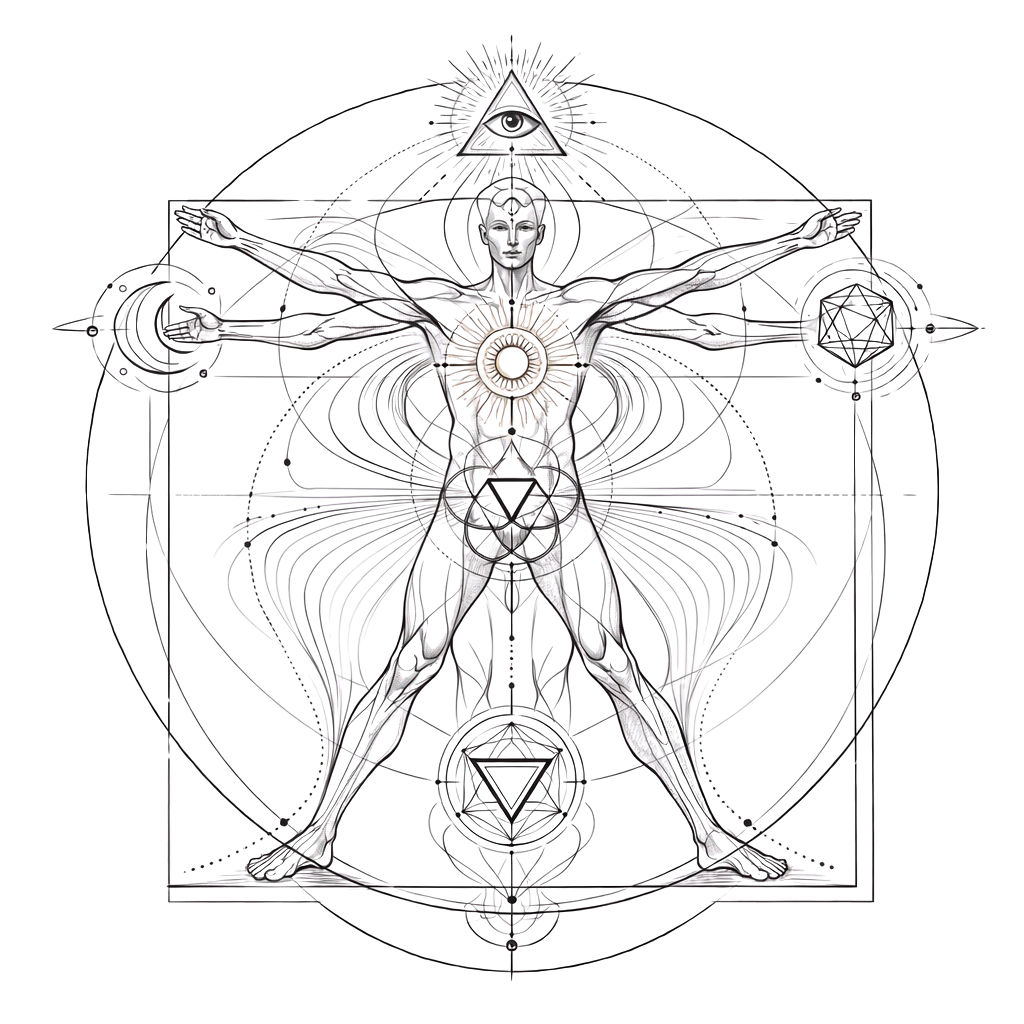
stop collecting techniques. learn structure.
nervous system, perception, identity — the mechanics that decide how you respond.
Why Teaching Changed
As this framework solidified, my approach to teaching changed fundamentally. Large classes designed primarily for emotional impact no longer felt sufficient. I reduced group sizes and increased dialogue. Explanations replaced mystification. Silence became functional rather than aesthetic.
Instead of asking participants to “drop into presence,” we examined what disrupts presence structurally. Instead of treating ego as an obstacle, we studied its adaptive role. Instead of using spiritual language to override discomfort, we analyzed the biological and perceptual roots of that discomfort.
This shift is not optimized for scale. It prioritizes coherence over reach. But coherence has become non-negotiable.
Why This Matters Now
We are living in an era of accelerated stimulation and identity construction. Social media amplifies curated self-images. Attention economies monetize emotional activation. Artificial intelligence systems increasingly simulate empathy and insight.
In such an environment, perceptual literacy is no longer optional. Without understanding how our nervous system and identity structures interact, we are easily manipulated by external narratives and internal triggers alike.
The Science of Being Human is not anti-technology or anti-culture. It is pro-awareness. It seeks to restore context to experience so that individuals can differentiate between reaction and reality, between narrative and structure.
An Energetic Reorientation
Ultimately, this work is less about ideology and more about alignment. Presence is not an aesthetic posture. It is the emergent property of coherence between physiology, perception, and action.
When breath stabilizes the nervous system, when identity is observed rather than defended, and when awareness remains intact under pressure, something shifts. Decisions become less reactive. Communication becomes less performative. Integrity becomes more consistent.
That shift is subtle, but profound.
The Science of Being Human does not promise transcendence. It invites literacy. It invites structural honesty. It invites the willingness to examine how we function before attempting to redesign ourselves.
It begins with observation. Noticing breath under stress. Recognizing a familiar reaction. Asking what system is currently active.
From that clarity, presence ceases to be an aspiration and becomes a lived capacity.
thai yoga bodywork nuernberg
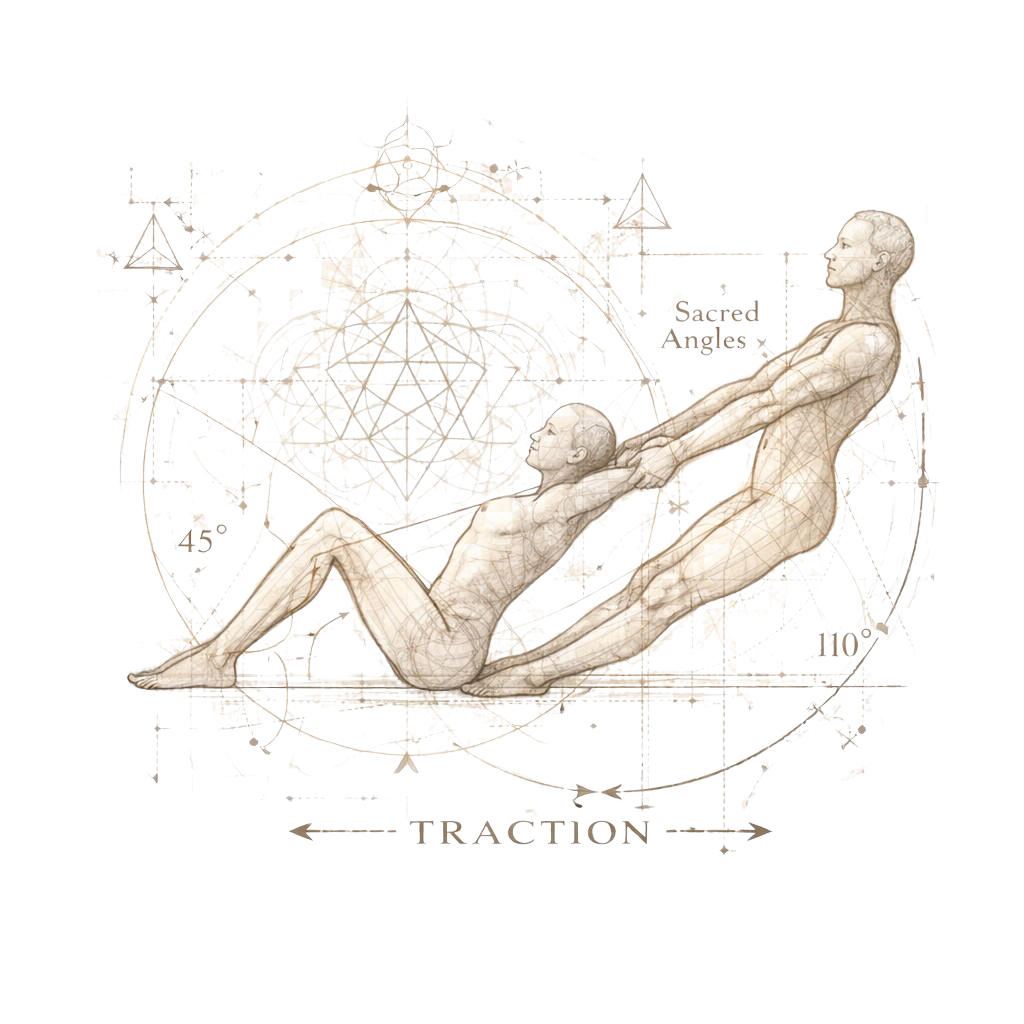
coherence has a physical cost.
unwind the patterns your body keeps carrying — so insight can land as change.
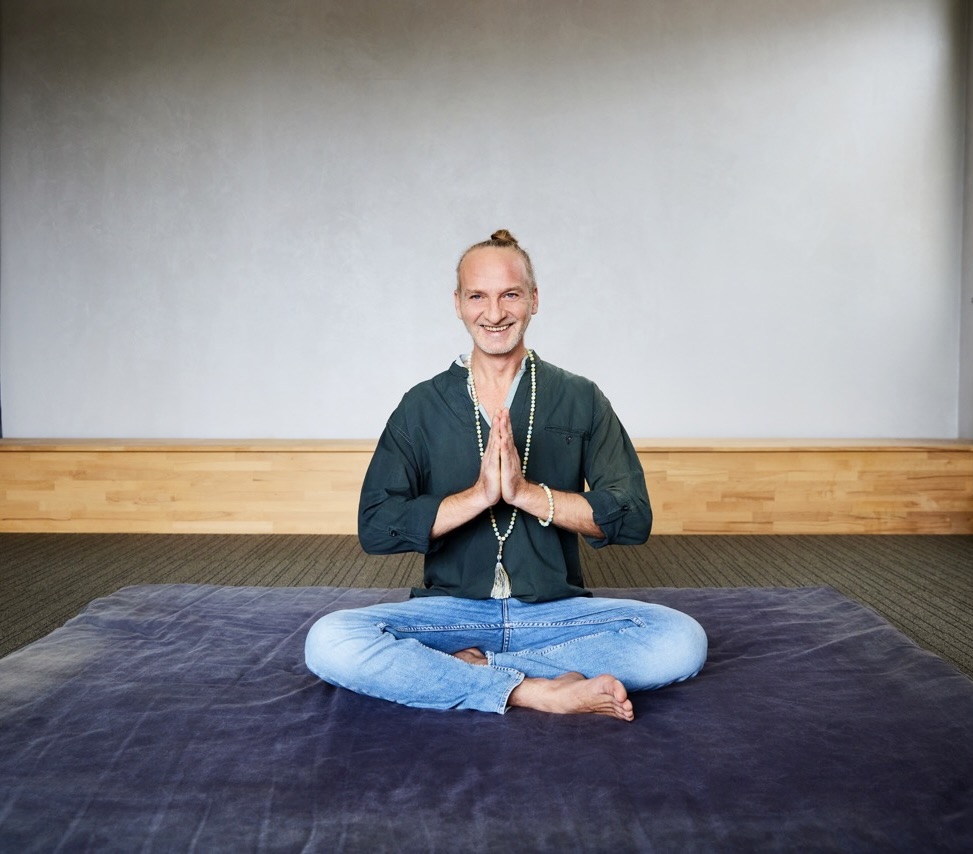
about the author
i’m marcus rother. the science of being human began as a response to a gap i kept seeing: people can access relief, but still lose themselves under pressure. my work connects breath, nervous system literacy, and embodied inquiry so “presence” becomes a capacity you can live, not a state you perform.
if this essay resonates and you want help applying it to your own patterns — stress, reactivity, identity defense, and regulation — you can also schedule a 1:1 session with me.