
about
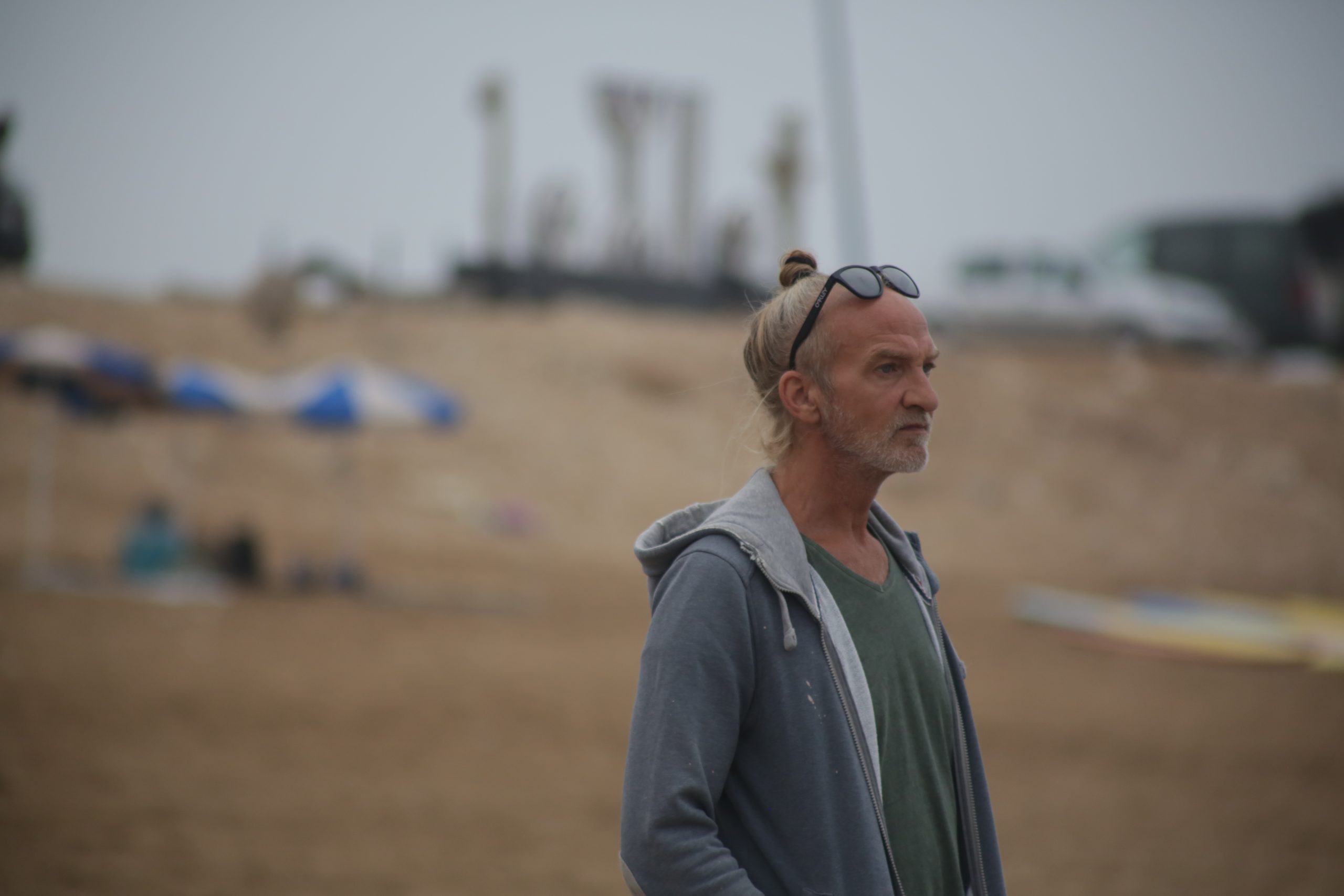
i work at the point where people remember they are alive — not as an idea, but as a felt reality. body. breath. touch. stillness. clear thinking — in service of presence.
why i’m here
my name is marcus rother. i didn’t step into this work to help people “optimize” themselves.
i stepped into it because i saw how much energy a human being burns every day just to override what is true: through speed, through standards, through the quiet panic of getting it wrong, missing out, not being enough.
at some point i realized the way back is rarely complicated. it is precise. it is the return to the body, the return to breath, the return to the ability to read your own perception before it hardens into story.
the same life can feel like freedom or like a cage — depending on whether you are present, or whether you are running on a program you inherited long ago.
“son, you can do anything in this world — anything you want — you just have to be able to deal with the consequences.”
Heinz-juergen Rother
(my dad)
responsibility as a compass
that sentence from my father was never a motivational poster for me. it was a compass for responsibility.
you may choose — but you must be awake enough to carry what your choices create. years later i understood that this is where my work truly begins: not with what you do, but with the internal state you do it from.
the same decision, the same relationship, the same conversation can be clean or toxic, honest or manipulative, freeing or exhausting — depending on whether your nervous system is regulated and present, or defensive and running routines.
two languages
the language of systems
i come from a life where systems matter. i have always been drawn to sustainability and systemic thinking, not as virtue-signaling, but as logic: if you understand a system, you can see where energy leaks, where friction accumulates, where reality is avoided. at some point it became uncomfortable to notice that many humans treat themselves the way organizations treat sustainability:
they build beautiful narratives while ignoring the data. they speak about “balance,” while the body has been in alarm for years. they say “i’m functioning,” while something inside is getting narrower, harder, faster. presence, to me, is the moment the inner metrics become readable again.
the language of the body
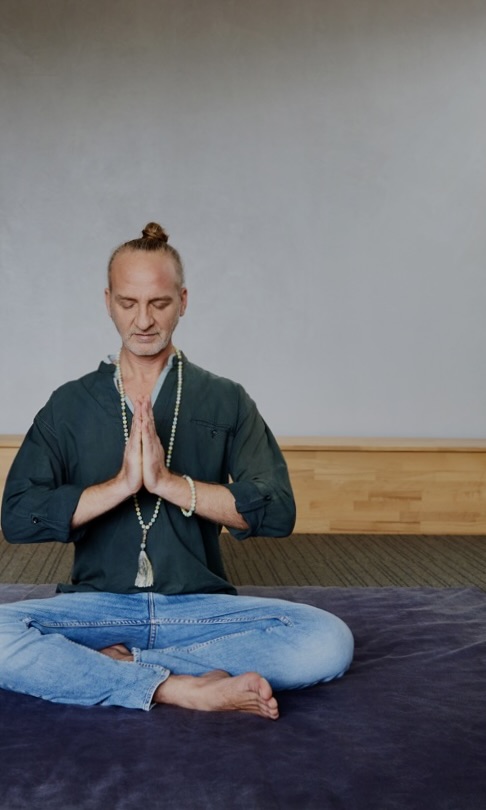
the other language in me is experiential: yoga, breath, touch, stillness. it is a language that explains less and reveals more. the body shows the truth long before the mind is ready to admit it. a breath pattern exposes the actual state. chronic tension is not just “tightness,” it is stored strategy.
regulation is not spiritual — it is biological. and when a human being stops trying to manage life from the neck up and starts inhabiting their own body again, something fundamental shifts: they don’t just understand more. they become more available to life.

“the most powerful change is not conceptual. it is physiological.”
Marcus rother
the gatekeeper of freedom
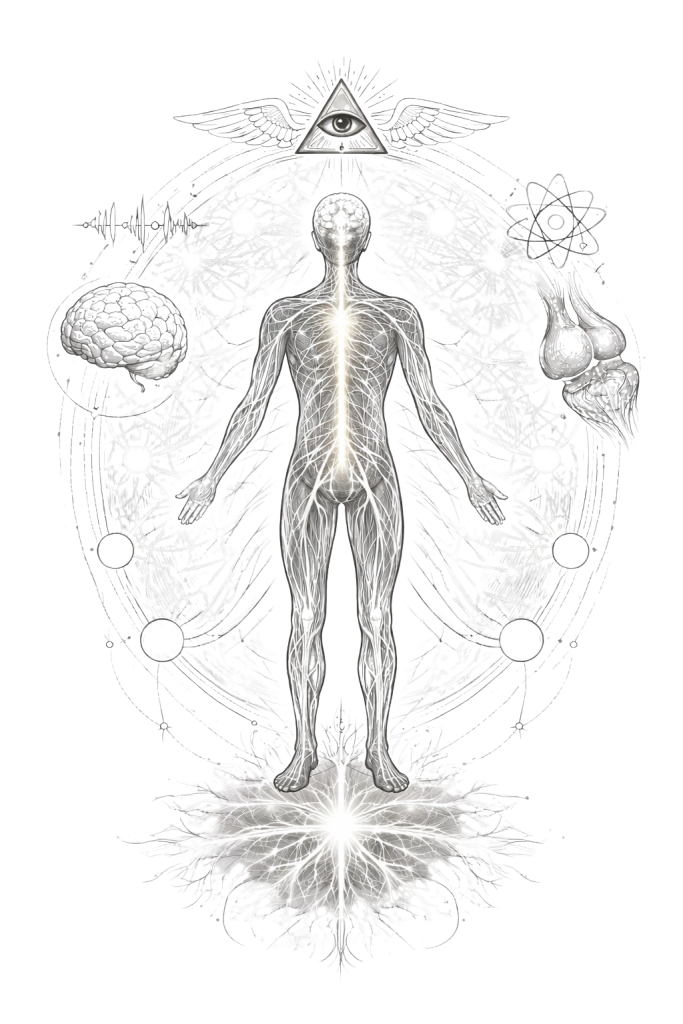
i don’t see the nervous system as a technical detail in the background of human life. i see it as the gatekeeper of freedom.
when it reads danger — real or imagined — it narrows perception, accelerates interpretation, and converts the present moment into a problem to solve. this is why so many intelligent people still feel trapped inside themselves: their mind is trying to think its way out of a state their biology keeps recreating.
for me, presence is not a “mindset.” it is what becomes possible when the system is regulated enough to stay open. breath is one of the most direct interfaces we have: not as a trick, but as a door — a way to interrupt the reflex to contract, and to return choice to the moment.
discipline without violence
discipline has been a complicated word in my life.
i respect devotion. i respect repetition. i respect the quiet power of doing what you said you would do. but i don’t worship discipline when it becomes a subtle form of self-violence — when it turns into control, rigidity, or performance dressed up as virtue.
over time i learned to ask a different question: does this practice make me more alive — or more armored?
true discipline, to me, is not the tightening of the fist. it is the steady return to what is real. it is how you build trust with yourself. and the moment it starts costing your softness, your honesty, or your ability to feel, it is no longer discipline. it is fear with good posture.
three turning points
pride
for a while i carried the confidence of someone who can move well and hold space. i was the fit yoga teacher who assumed body mastery equals life mastery. i knew a lot, i could lead a room, i could deliver results — and it took me longer than i’d like to admit to see how easily the ego lives there.
it feeds on applause, on gratitude, on the subtle high of being needed. not because anyone is “bad,” but because it is human. and because very few people in spiritual spaces talk about it with structural honesty.
softness
eventually i learned that clarity without softness becomes weaponized knowledge: you understand, but you stay hard. and softness without clarity becomes fog: you feel, but you lose yourself. what i aim to live now is both at once — a precise love of reality.
a way of meeting a human being that does not try to “fix” them, but helps them see where they are already whole, and where they contract out of habit. when that contraction is seen, choice returns. and when choice returns, life becomes less heavy.
fatigue
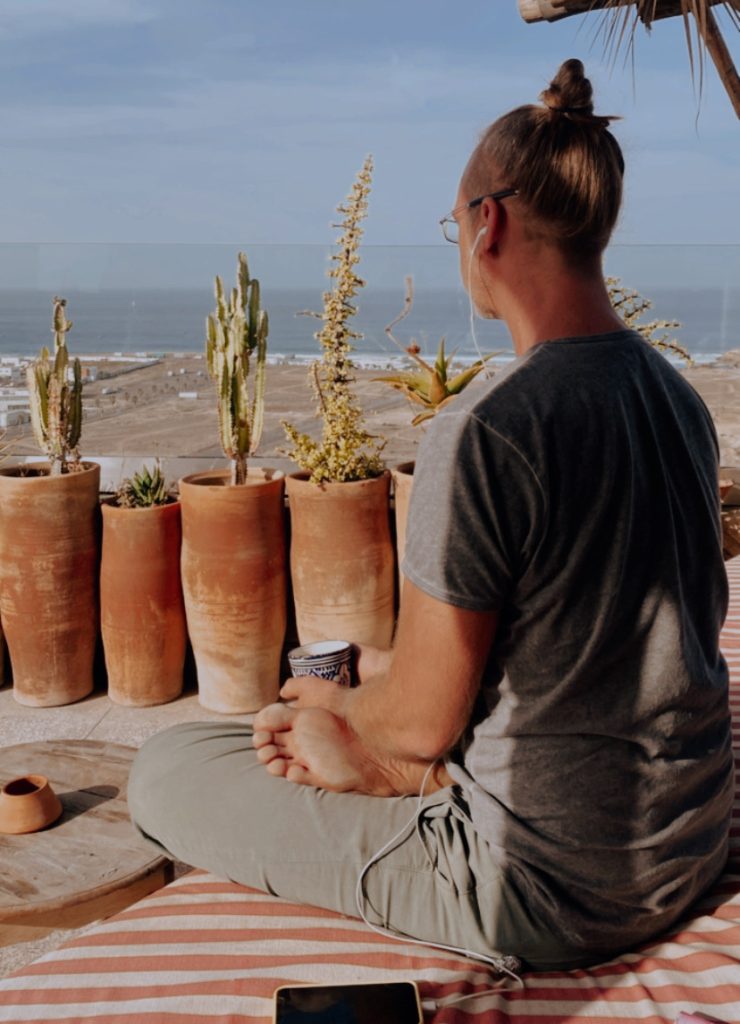
then came a different kind of tired — not the kind you fix with sleep, but the tiredness that grows when you keep trying to be “right.” right in your role, right in your persona, right in your helping, right in your life. i watched people repeat the same inner loops with better vocabulary. i saw how rarely someone pauses long enough to recognize stress for what it is:
an intelligent survival response that hates interruption. presence begins for me exactly there — in the moment you notice you are not responding freely, but automatically.

a constellation of influences
i’m not loyal to a single tradition. i’m loyal to what makes people more honest, more regulated, and more free.
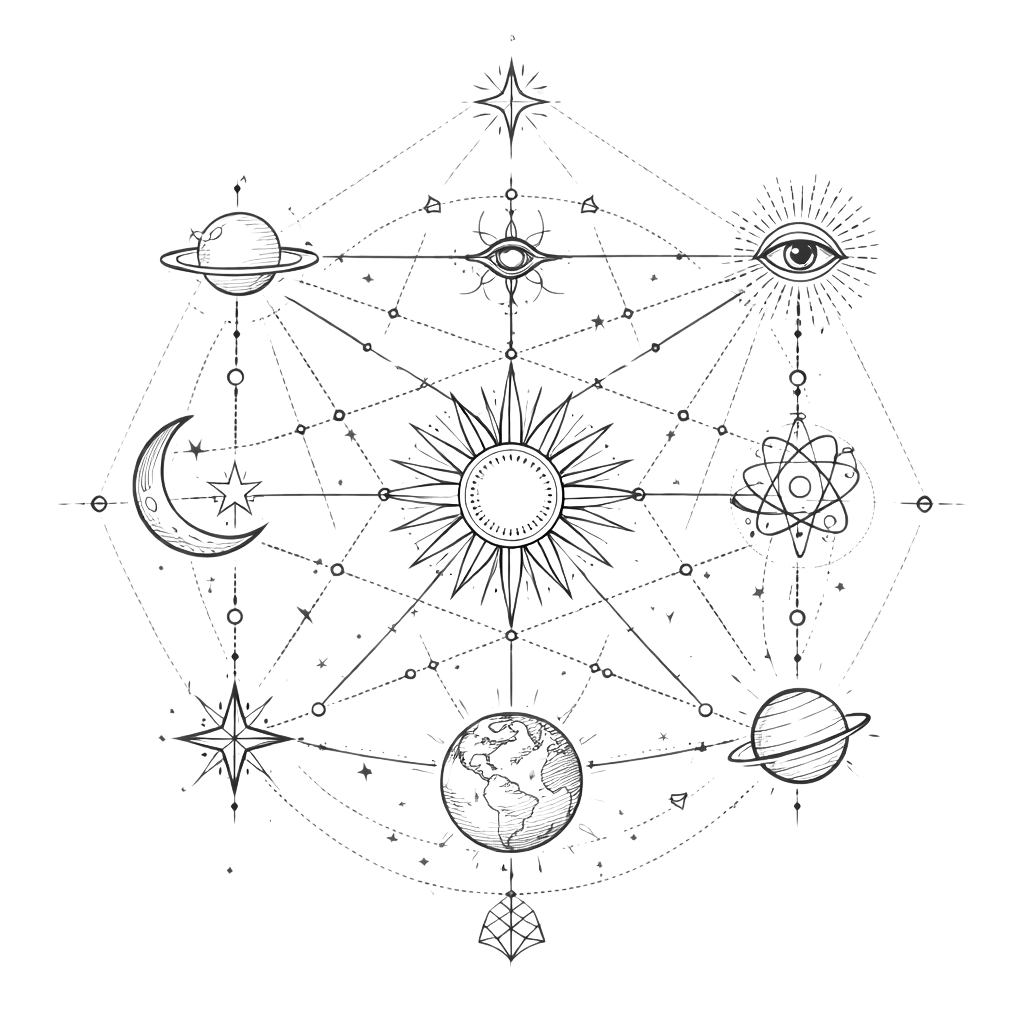
my lineage is a constellation — part lived, part studied, part practiced in rooms with real humans. yoga gave me a language for attention and a lifelong relationship with breath and sensation. bodywork taught me that touch is not “extra”; it is a direct conversation with the nervous system. systemic thinking trained my mind to see patterns, feedback loops, and the hidden costs of ignoring reality.
and then there are the teachers without titles: the ocean, silence, long roads, challenging seasons, and the simple moments where life forces you to slow down until you can feel again.
when i reference thinkers or traditions, i’m not collecting names. i’m pointing to perspectives that sharpen perception and return responsibility to the one place it can live: the present moment.
questions i return to
there are questions i don’t try to answer once and for all.
i live inside them, the way you live inside a climate. they keep me honest. what changes when i stop narrating and start sensing? what does “me” look like without my routines? what is stress protecting right now — and what is it costing? where am i performing a self that no longer fits? what becomes possible if i soften for one breath instead of tightening for ten? and if presence is not a concept but a capacity, what am i doing today — in my body, in my breath, in my attention — that trains that capacity?
what you’ll find here
i don’t believe a perfect routine will save you. i believe perception will wake you up. i don’t believe in permanent high-vibes.
i believe in the courage to be honest for one breath — even in the middle of chaos. i believe the body is not your enemy, but an instrument that does not lie. i believe touch can be a form of communication the nervous system understands when words arrive too late.
i believe spirituality without daily life turns into aesthetic. and i believe daily life without presence eventually becomes hollow, no matter how successful it looks from the outside.
yes, i think systemically — i love untangling complexity — but i’m not here to give you a new identity. i’m here to help you recognize the old one, so it stops driving.
small things that bring me back
small things bring me back faster than big ideas.
i pay attention to these details because they tell the truth about how a human being actually changes:
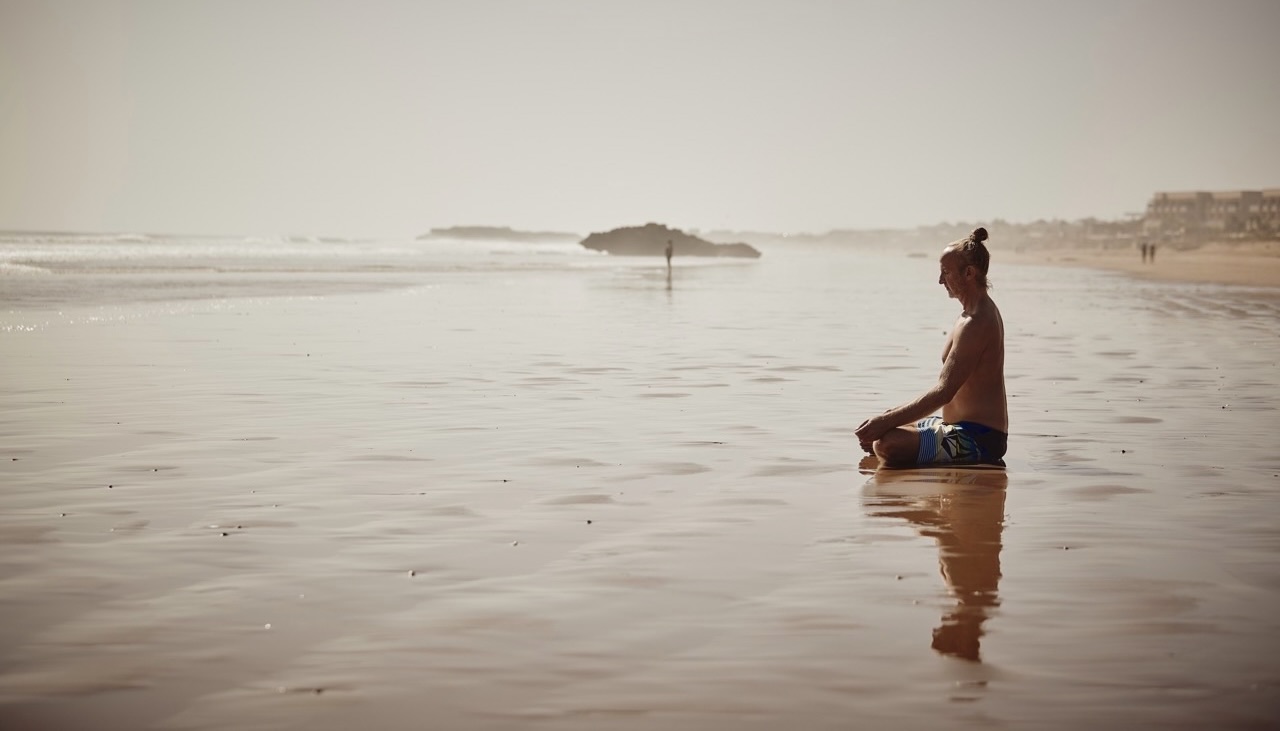
heat, water, and long exhales. clean spaces and simple rhythms. a conversation that doesn’t rush toward a conclusion. moving my body until my mind stops trying to win. the moment right after a shower when the system finally drops its guard. being near the sea — not for romance, but for calibration.
not through dramatic breakthroughs, but through tiny returns — again and again — to what is real.
the water line
i used to want to build and operate an eco-tourism hotel somewhere warm, somewhere by the beach — a meaningful system, well-designed, sustainable, beautiful.
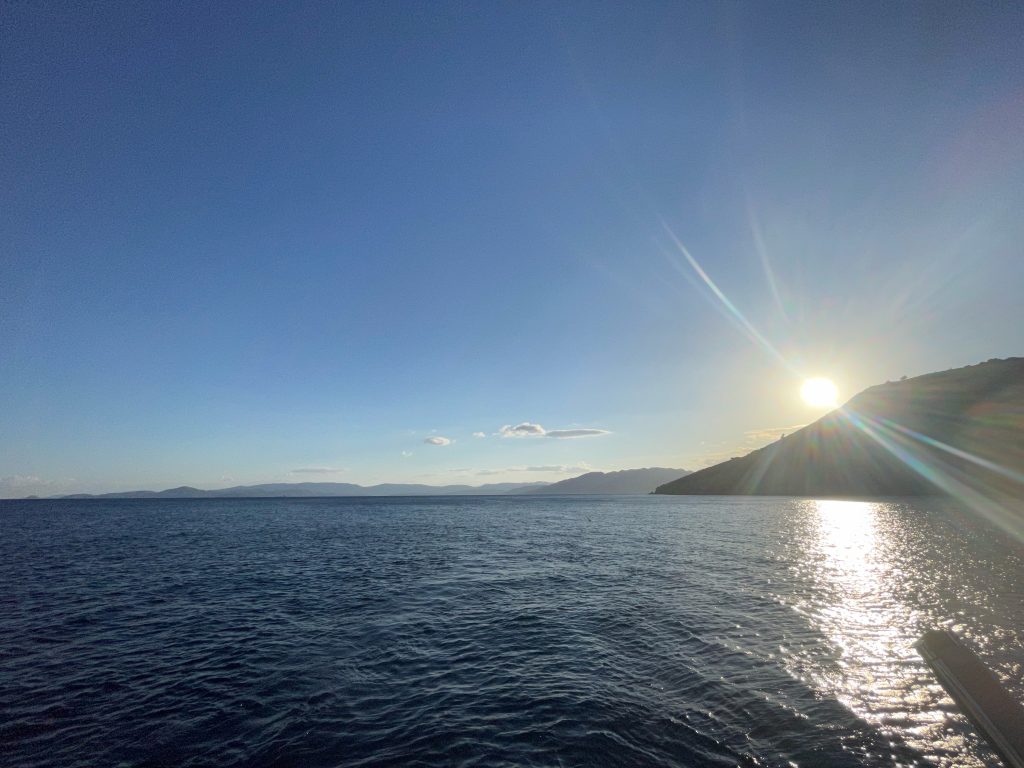
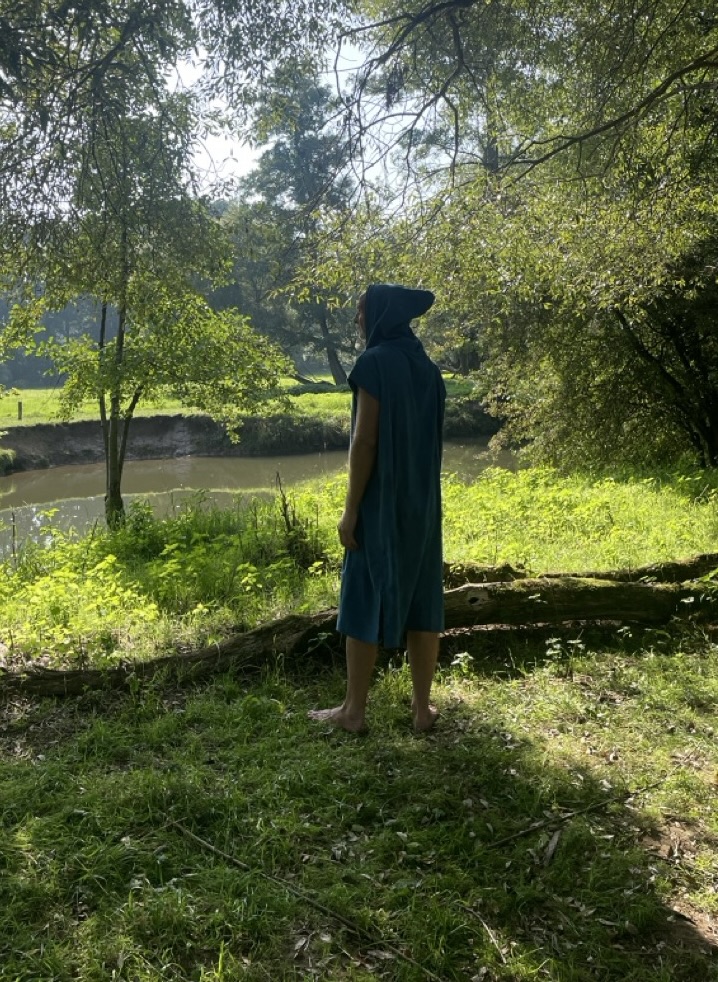
over time the wish simplified: i want to live in a beautiful place by the water. not as an escape, but as a reminder. water has no opinion about you. it doesn’t hold you in place. it teaches rhythm. breath, waves, nervous system, relationships, life — i trust what has rhythm. and i trust what becomes clearer when you stop fighting it
if you arrived here, you may not be looking for more information. you may be looking for a place where life becomes simple again — not in the sense of comfortable, but in the sense of true.
i’m not a guru. i’m a human who learned that presence is not romantic; it is practical. it is the place where you stop abandoning yourself. from there, many things become quieter. and many things become unmistakably clear.