

the day i realized my spiritual ego was thriving
when presence becomes performance
it felt like growth
i didn’t recognize it at first. it didn’t arrive as arrogance or domination or some obvious distortion of character. it felt like growth.
i had completed my teacher training. i was teaching regularly. classes were filling. people thanked me for changing their lives. some cried during savasana. others stayed behind to talk about breakthroughs. i felt useful, grounded, purposeful. and quietly — i felt important. that part took longer to admit.
when you step into teaching, especially in a spiritual or contemplative space, the feedback is different from most professions. people don’t just say “good job.” they say, “that was exactly what i needed.” they say, “you helped me understand myself.” they look at you with gratitude that feels almost sacred. it is powerful. and if you are not structurally aware of what is happening inside you, it is intoxicating.
when the role becomes identity
i believed i was helping people access presence. i spoke about awareness, non-attachment, surrender. i encouraged students to observe their thoughts without identifying with them.
what i did not see was how tightly i was identifying with being the one who guides. my calm became part of my identity. my insight became part of my identity. my ability to “hold space” became part of my identity. and identity protects itself.
the spiritual ego is subtle. it doesn’t boast. it doesn’t dominate. it doesn’t shout. it refines itself. it becomes the teacher who never gets triggered, the one who always responds wisely, the one who seems centered under pressure.
except i wasn’t. outside the studio, i reacted. i felt defensive. i felt insecure. i felt anxious about attendance, reputation, and whether i was saying the “right” things. but inside the studio, i performed coherence. not consciously. not maliciously. structurally.
none of this is inherently malicious. it is efficient. it keeps economies moving and identities intact. but it trains something dangerous in us. it trains intolerance toward our own pain. it trains reflexive escape from inner tension. it teaches us that the first sign of discomfort should be solved, not studied.
over time, this reflex becomes so normal that we no longer notice it. we scroll instead of reflecting. we label instead of listening. we optimize instead of grieving. we replace one belief with another rather than entering the destabilizing space where both might be partially true. the result is a culture full of information and starving for integration.
environmental calm vs. inner stability
the room was controlled. the lighting was soft. the breath was guided. the music carried emotion. it was easier to access calm in that environment. and because i could create that environment, i mistook environmental regulation for inner transformation.
i had built a container that reliably produced a certain state, both for my students and for myself. but the container was doing more work than i was willing to admit.
remove the candles, the curated playlist, the synchronized breath, and something less composed would appear. the nervous system does not lie. it responds to praise, to status, to belonging, to perceived safety.
when people admire you, your system relaxes. when they question you, it tightens. without understanding this mechanism, admiration begins to feel like proof of spiritual maturity, rather than what it often is: a temporary regulation of your biology.
science of being human
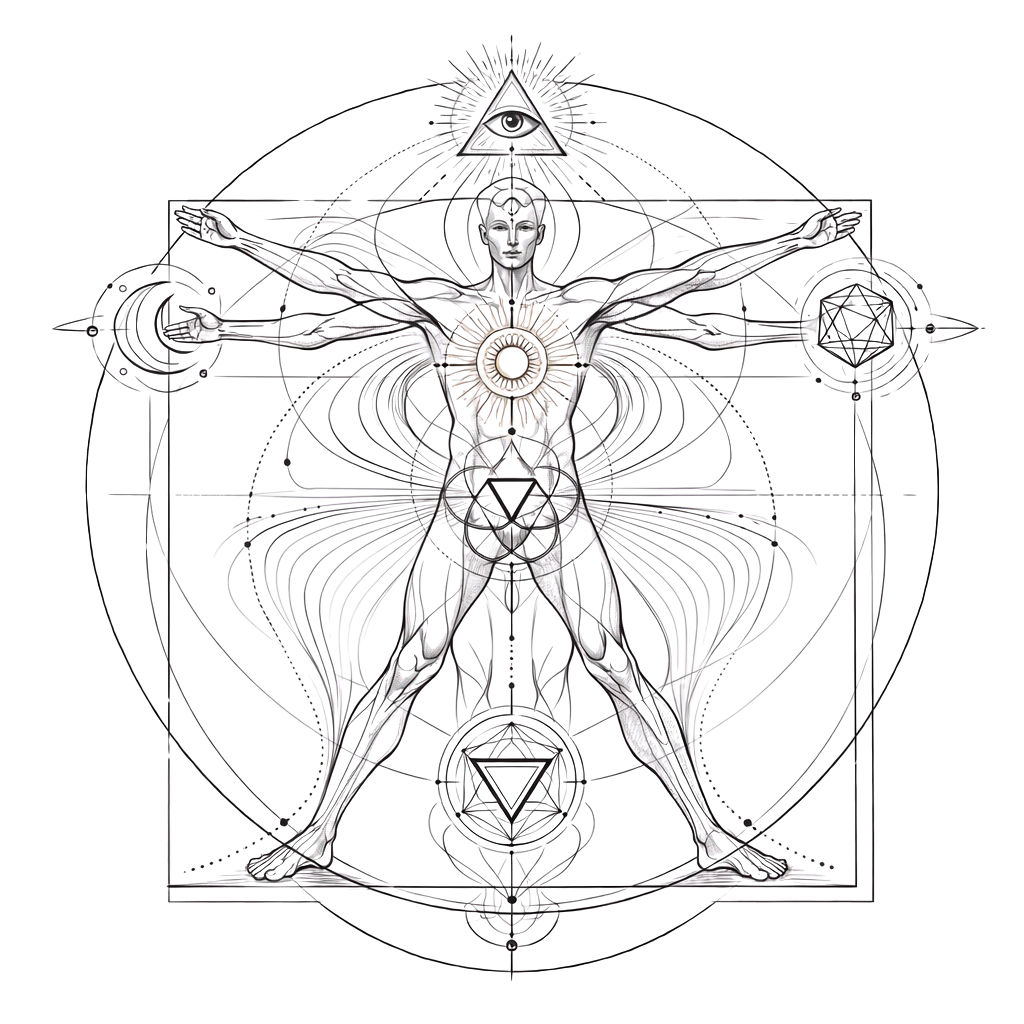
admiration can feel like safety. that’s the trap.
learn how validation loops regulate biology — and how “calm” becomes a defended identity.
the quiet recognition
the day i began to see this clearly was not dramatic. there was no scandal, no collapse, no public failure. it was a quiet recognition that my sense of self had become intertwined with being perceived as grounded.
that is when the word “ego” stopped being theoretical. the ego is not the loud narcissist. it is the structure that wants stability. it wants recognition. it wants coherence. and in spiritual spaces, it wears softer clothing. it wears humility. it wears service. it wears devotion. but it still seeks confirmation.
the problem is not having an ego. the problem is not seeing it. teacher trainings teach you how to guide others through practice. they teach sequencing, anatomy, cueing, philosophy. they rarely teach you how to examine what the role does to your identity.
when people look at you as the teacher, something inside responds. if you have not studied your own nervous system, your own attachment to validation, your own fear of losing status, that response becomes invisible. you continue teaching. you continue guiding. you continue refining the image.
meanwhile, the gap between the persona and the person widens. the soft seduction is not dramatic. it is daily.
it appears when you sense dissatisfaction in your career but tell yourself you should be grateful. it appears when your body feels exhausted but you override it with productivity tools. it appears when you encounter an argument that unsettles you and you immediately seek confirmation from your preferred sources. it appears when spirituality becomes a way to stay positive rather than a path that confronts your shadow.
in each case, the invitation is the same: do not go deeper. stay stable. stay comfortable.
when yoga becomes a persona
yoga was never meant to produce personas. it was meant to dismantle illusion. but dismantling illusion requires structural literacy.
it requires understanding how identity forms, how validation regulates the nervous system, how being admired can feel like safety. without that literacy, even sincere practitioners can begin to defend a version of themselves that looks spiritual but is simply stabilized by attention.
i began studying perception and nervous system regulation more deeply. i started to see my own patterns with uncomfortable clarity. i saw how praise calmed me. i saw how criticism activated me. i saw how maintaining composure became a strategy rather than a byproduct of genuine stability.
that recognition did not make me less of a teacher. it made me more honest.
from image to investigation
i stopped trying to embody an image and started investigating my reactions. i stopped presenting certainty and started explaining mechanisms. i spoke less about what enlightenment looks like and more about how identity forms. i admitted when i was triggered. i stopped confusing smooth delivery with depth.
some people preferred the old version. it was cleaner, more inspiring, easier to admire. the newer version is less polished. it includes doubt, contradiction, and ongoing inquiry. but it feels real.
the spiritual ego is not something we eliminate. it is something we observe. and observation changes relationship. when you see the mechanism, it loses some of its unconscious grip. you can still teach. you can still guide. but you are no longer as invested in protecting the role.
private yoga nuernberg
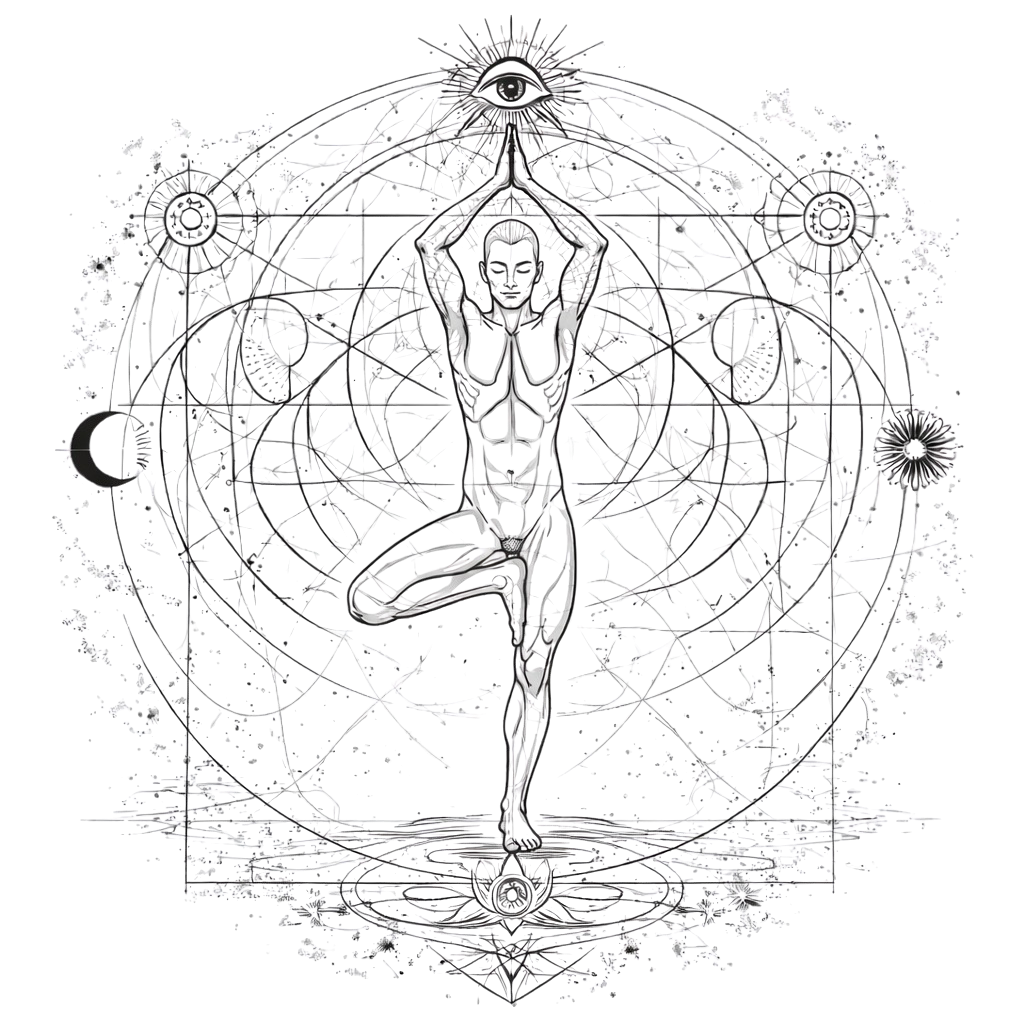
practice without the studio spell.
weekly micro-groups (max 4) for steadiness under friction — feedback, inquiry, no persona required.
coherence beyond candles
yoga, for me now, is no longer about appearing grounded. it is about understanding what grounds you. it is about noticing when you are triggered rather than hiding it behind technique. it is about coherence under inconvenience, not composure under candles. anyone can appear calm in a curated environment.
the deeper question is what happens when the environment is not curated — when attendance drops, when someone challenges your authority, when your personal life destabilizes. does your identity tighten? does it defend? does it subtly seek reassurance?
these are not moral failures. they are human patterns. but if they remain unexamined, even spiritual practice becomes another structure to defend.
because the moment you refuse the soft seduction of comfort, pain stops being something to escape and becomes something to understand. and in that understanding, a deeper form of freedom emerges.
the culture we rarely question
if something feels off in modern yoga culture, it may not be insincerity. it may be unexamined identity. it may be teachers who were trained in technique but not in self-inquiry at the level of nervous system dynamics and validation loops. it may be communities that reward inspiration more than honesty.
the problem is not that teachers care. the problem is that admiration can feel like safety, and safety can feel like truth. without awareness, the role of “teacher” becomes an anchor for the ego rather than a dissolver of illusion. and because the ego in spiritual spaces speaks softly, it is rarely confronted directly.
staying with what is real
the day i realized my spiritual ego was thriving was not the day i stopped teaching. it was the day i started watching more carefully.
watching my body when i was praised. watching my thoughts when i was criticized. watching the subtle relief when a class was full and the subtle contraction when it was not.
that observation continues. it is not glamorous. it does not produce dramatic stories. but it is honest work. presence is not the absence of ego. it is the willingness to see it operating in real time.
and perhaps that is the quiet shift: from performing coherence to studying it, from defending an identity to understanding how it forms. without examining identity, even spiritual practice can become another role to protect. with examination, it becomes what it was always meant to be — a way of seeing clearly.
about the author
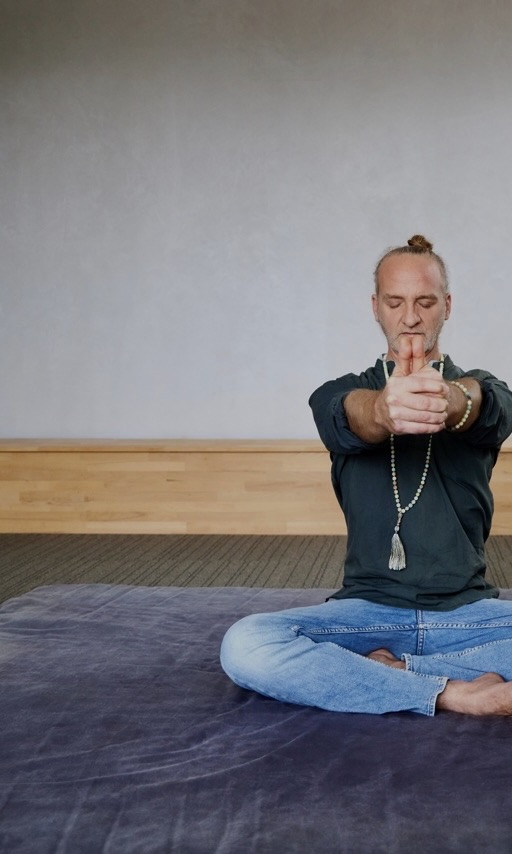
i’m marcus rother. i work with the subtle mechanics this essay exposes: how roles become identity, how praise and criticism shape physiology, and how “presence” turns into performance when it is rewarded. my teaching blends yoga, nervous system literacy, and real-time inquiry so coherence holds outside curated environments.
if you want support applying this to your own patterns — especially around validation, authority, and reactivity — you can schedule a 1:1 session with me.